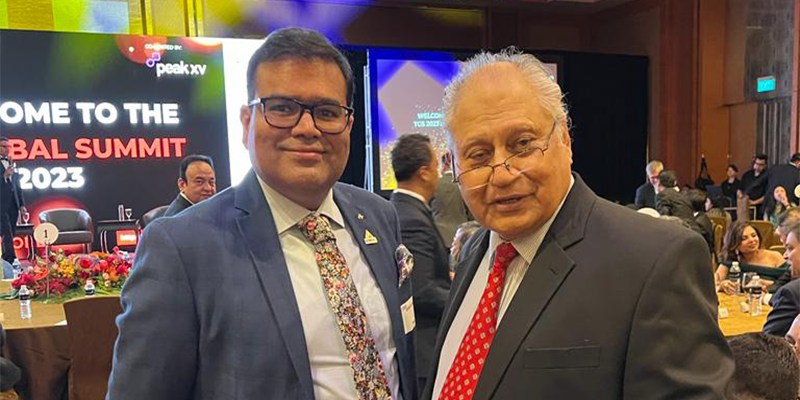
How to Follow Up With Investors After a Pitch?
Send a short email the same day, or within 24 hours where practical, with a thank-you, answers to the investor’s questions, anything you promised and one clear next step. After that, write only when you have something useful to say,…
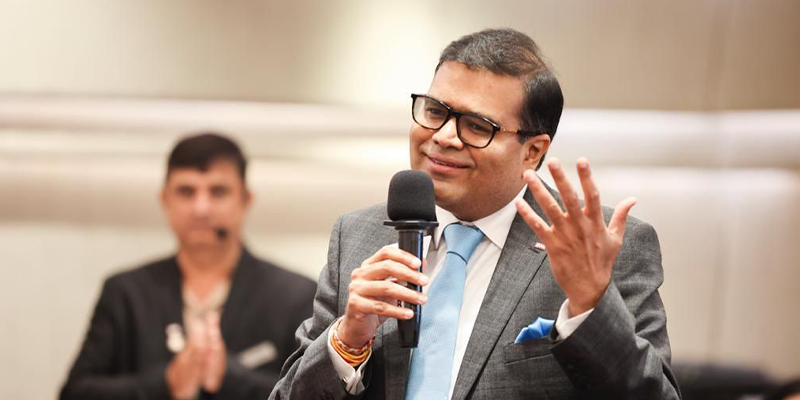
What Are the Most Important Qualities of a Good Founder?
The most important qualities of a good founder are a clear vision, resilience, adaptability, sound decision-making, customer focus, execution, integrity and the ability to build a team. No single personality profile guarantees success. Investors look for evidence of these qualities…

How to Prepare for Investor Due Diligence: A Founder’s Guide
Businesses can prepare for investor due diligence by reconciling financial and ownership records, organising legal and commercial documents, creating a structured data room, and identifying unresolved issues before investors begin their review. Investor due diligence is not only a document-collection…
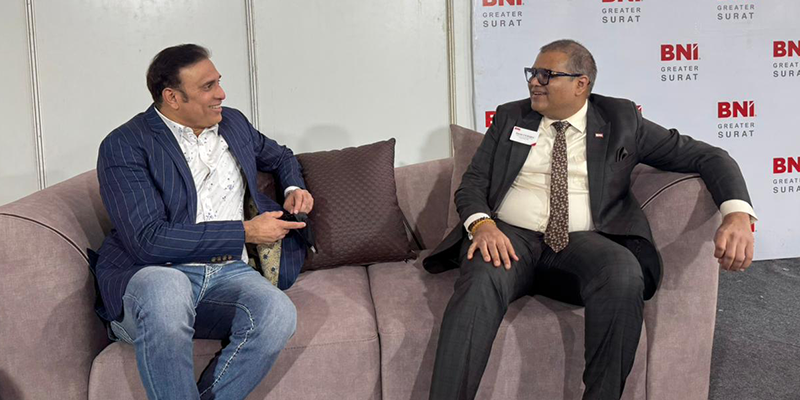
10 Fundraising Mistakes Founders Make When Raising Startup Capital
The biggest fundraising mistake is starting before the startup, the numbers and the investor list are ready. Before you raise, you should know what you are raising, why you need it, which milestone the money will fund, and which investors…

How to Choose the Right Startup Advisor: A Practical Guide for Founders
Choosing a startup advisor is not about finding the most famous entrepreneur you can reach. It is about finding someone whose experience matches the problem your startup is trying to solve. A good advisor can help you make better decisions,…
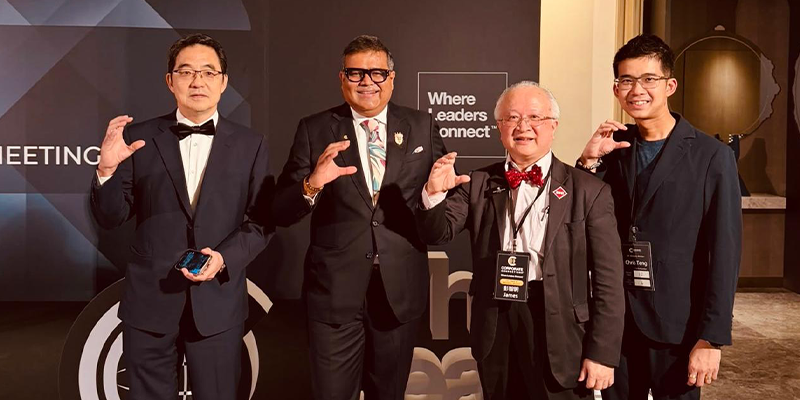
Questions Investors Ask During Startup Due Diligence: A Founder’s Guide
Getting an investor excited in a pitch is hard enough. What surprises many founders is what comes next. The investor says yes in principle, sends a term sheet, and then the questions start. Documents. Numbers. Contracts. Ownership records. Customer data….

Mentor vs Advisor vs Investor: Which Role Does Your Startup Need?
A founder might hear, “Find a mentor.”Another person might say, “You need an advisor.”Then an investor might say, “You need funding.” The confusion is understandable. All three can offer experience, guidance and connections. But they do not have the same…

Red Flags Investors Notice in Founders — What Kills Deals in India Before They Close
Investors look for signs that a founder could become a risk to the business or the investment. Unrealistic valuation expectations, weak financial understanding, inconsistent answers, lack of transparency, poor decision-making, resistance to feedback and weak team dynamics can all raise…

How to Negotiate Startup Valuation With Investors – A Practical Guide for Indian Founders
Start with a valuation you can support with facts. Know your revenue, growth, customers, market, margins and comparable companies, and be ready to explain how they support your number. During the negotiation, understand why the investor may disagree and look…

How Investors Evaluate Startups? What Angels and VCs Look for in India
Investors look at a startup in terms of evidence, potential and risk. They examine what the company has achieved so far, how large the opportunity can become, why it can win against existing businesses, how efficiently it can grow and…