
Term Sheet Received: Now What? A Guide for Startups
After receiving a term sheet, acknowledge the offer, read the entire document, avoid signing in a rush and get advice from a lawyer who handles venture deals. Then check the valuation and what it means for your ownership, the investor’s…

How to Build Trust with Investors: A Founder’s Tactical Guide
Two founders pitch the same investor on the same day. Their numbers are similar. Their markets are similar. One gets a second meeting. The other gets a polite email. Very often, the difference is not the business. It is whether…

How to Secure Funding for Your Startup in India: A Step-by-Step Guide for 2027
Most founders start with the question “how do I get funding?” The better question is “which funding, from whom, and when?” A bootstrapped idea, a pre-revenue prototype, a growing business with paying customers and a company ready to scale all…

How to Follow Up With Investors After a Pitch?
Send a short email the same day, or within 24 hours where practical, with a thank-you, answers to the investor’s questions, anything you promised and one clear next step. After that, write only when you have something useful to say,…

What Are the Most Important Qualities of a Good Founder?
The most important qualities of a good founder are a clear vision, resilience, adaptability, sound decision-making, customer focus, execution, integrity and the ability to build a team. No single personality profile guarantees success. Investors look for evidence of these qualities…

How to Prepare for Investor Due Diligence: A Founder’s Guide
Businesses can prepare for investor due diligence by reconciling financial and ownership records, organising legal and commercial documents, creating a structured data room, and identifying unresolved issues before investors begin their review. Investor due diligence is not only a document-collection…
10 Fundraising Mistakes Founders Make When Raising Startup Capital
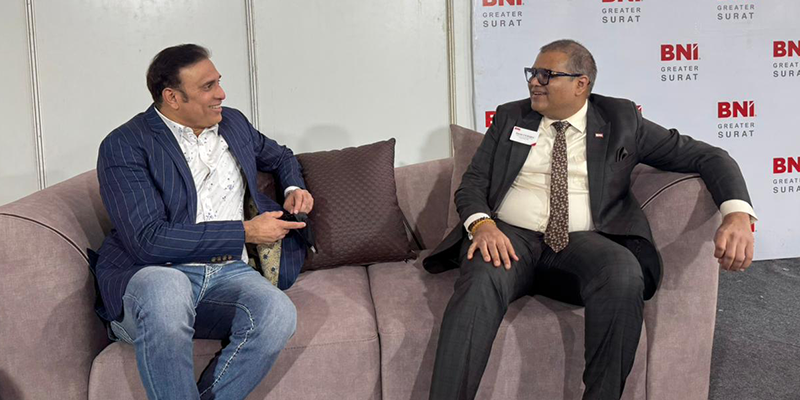
The biggest fundraising mistake is starting before the startup, the numbers and the investor list are ready. Before you raise, you should know what you are raising, why you need it, which milestone the money will fund, and which investors…

How to Choose the Right Startup Advisor: A Practical Guide for Founders
Choosing a startup advisor is not about finding the most famous entrepreneur you can reach. It is about finding someone whose experience matches the problem your startup is trying to solve. A good advisor can help you make better decisions,…
Questions Investors Ask During Startup Due Diligence: A Founder’s Guide
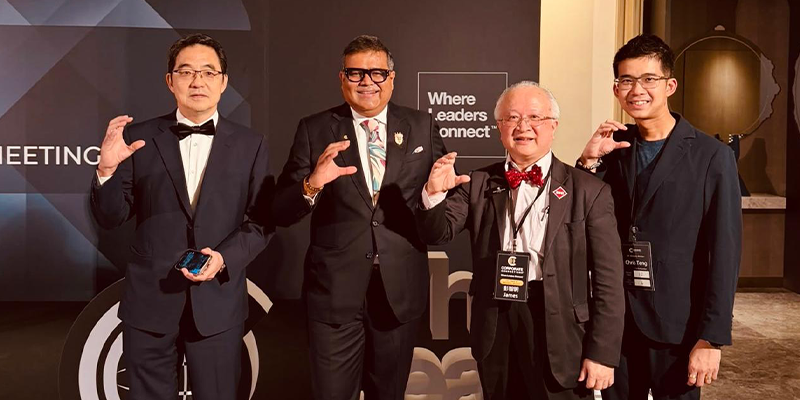
Getting an investor excited in a pitch is hard enough. What surprises many founders is what comes next. The investor says yes in principle, sends a term sheet, and then the questions start. Documents. Numbers. Contracts. Ownership records. Customer data….

Mentor vs Advisor vs Investor: Which Role Does Your Startup Need?
A founder might hear, “Find a mentor.”Another person might say, “You need an advisor.”Then an investor might say, “You need funding.” The confusion is understandable. All three can offer experience, guidance and connections. But they do not have the same…